Two aluminum-window quotations can use the same product name while describing very different systems. Contractors and distributors should compare the complete configuration, not just a frame series, a glass description or a square-metre price.
Use one comparison sheet for dimensions, frame, glass, hardware, finish, performance evidence and exclusions. Ask questions wherever the specification is incomplete.
1. Start with use and opening type
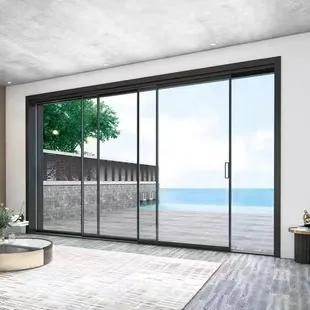
Mark fixed and opening units on the project schedule. For hinged designs, show the opening direction; for sliding systems, show the number of panels, tracks and active leaves. Identify ventilation, cleaning access and insect-screen requirements.
Different names are not interchangeable: a top-hinged opening is not the same as a vertically sliding hung sash. A sketch helps avoid misunderstanding between suppliers and local installers.
2. Specify frame, glass and hardware together
Ask for the frame or profile system, section drawing, material, finish and any thermal-break specification. For glass, define the build-up, coatings, spacer and any safety or acoustic requirements set by the project designer. Include handles, hinges, locks, rollers and seals in the supply list.
A larger series number or thicker-looking frame is not enough to determine the performance of the assembly. Review the complete system and the evidence applicable to the requested configuration.
3. Read performance claims carefully
The NFRC label overview describes energy-performance measures including U-factor, solar heat gain coefficient and visible transmittance. They describe different properties; a single number does not summarize every project requirement.
Where energy ratings are required, ask which rating framework, units and product configuration the values refer to. Do not substitute a glass-only value for a complete-window requirement. Check air, water, wind and acoustic claims through the relevant project-specific documentation rather than inferring them from the glass thickness.
The designer should set the targets for the building and location. References to a rating scheme are educational, not a claim that every product on this website holds that certification.
4. Compare finish, packing and after-sales scope
Approve a colour and texture reference and identify visible faces. Tell the supplier about coastal, poolside or other exposure so that finishing requirements can be reviewed. Obtain written care instructions and the actual warranty scope instead of assuming a fixed service life.
Confirm packing type, unit identification, handling access and whether glazing is shipped installed or separately. Ask which spare parts, installation information and replacement procedures are included.
5. Use a like-for-like comparison sheet
- Same dimensions, quantity and opening configuration.
- Same frame, glass, hardware and finish specification.
- Relevant performance documentation for the proposed system.
- Clear inclusions for screens, accessories, assembly and installation.
- Agreed packing, destination, delivery arrangements and written terms.
When a quotation is lower, identify what has changed before deciding it is better value. Send Yanerfei the opening schedule and the scope you need—profiles, components or finished units for review—to begin a more useful comparison.
Discuss your requirements with Yanerfei
Share your product, drawings or dimensions, quantity, country and delivery destination. The quotation will define the agreed specifications, inclusions and terms.
Request a QuoteGeneral purchasing guidance, not engineering or compliance approval. Specifications, availability and commercial terms are confirmed for each project. Product images are illustrative, not a claim of a completed customer project.