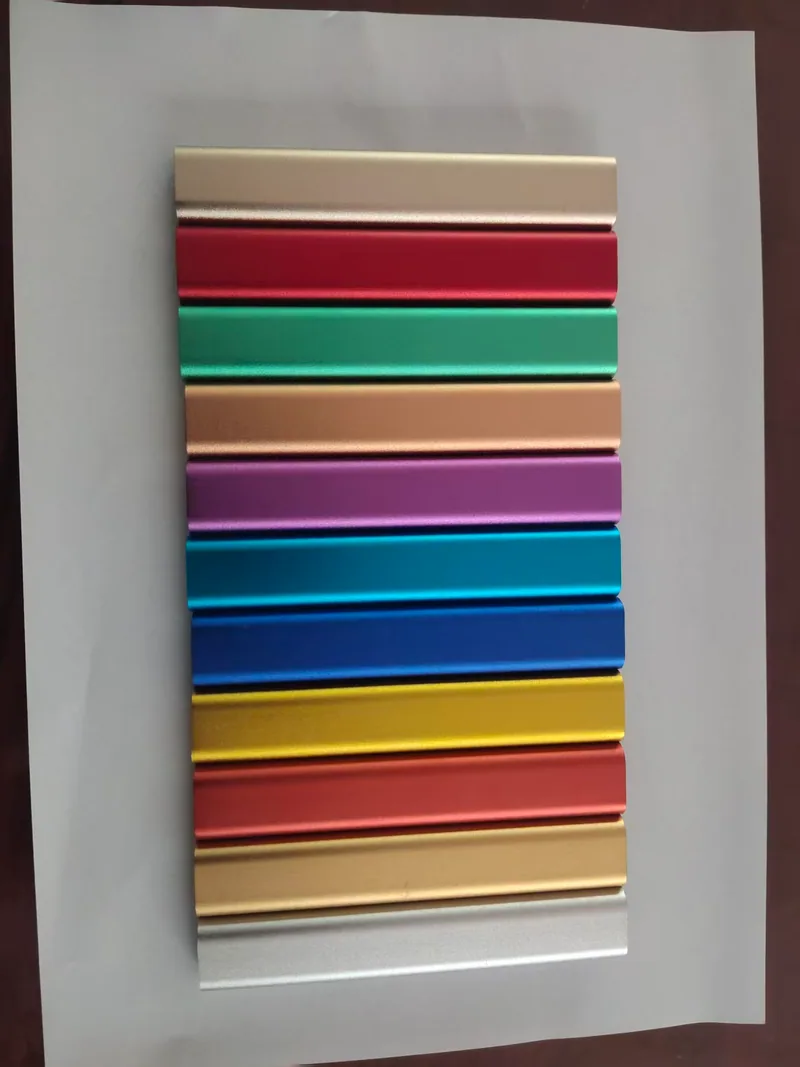
A door-and-window fabricator, building-materials distributor or industrial buyer may need the same profile in several lengths, finishes or machining conditions. A clear request for quotation (RFQ) lets the supplier price the intended part instead of making assumptions from a photograph.
Send one controlled drawing revision and separate material, finishing, machining and packing requirements. Identify critical dimensions rather than applying an unexplained tolerance to everything.
1. Start with a controlled drawing package
Provide a dimensioned section drawing with units, a part number and a revision. Include the required cut length and mark mating features, visible faces and critical dimensions. A 3D model can help explain the shape, but it should not leave inspection requirements unclear.
For a profile intended to fit an existing system, supply the relevant interface dimensions and describe the assembly. Reference photos help explain appearance; they do not define a reproducible section or authorize copying another party's protected design.
2. State material and tolerance requirements
Specify the required alloy and temper, applicable material specification and any inspection documents. If these have not been selected, explain the application and ask for a feasibility review rather than assuming every alloy or temper is interchangeable.
The Aluminum Extruders Council's tolerance guidance distinguishes standard and precision dimensional tolerances and notes that complex parts may need geometric tolerancing. Discuss the applicable tolerance standard, critical features and measurement method with the supplier.
Also identify straightness, twist, flatness or angle requirements when they matter to the assembly. Do not infer a tolerance capability from a generic product image.
3. Define finish and secondary operations
- Mill finish, anodizing, powder coating or another requested process.
- Colour reference, gloss or texture, visible faces and sample approval.
- Holes, slots, threads, end machining and deburring requirements.
- Areas requiring masking or protection during finishing.
- Whether dimensions apply before or after the specified finish.
State the installation or service environment, including coastal or other demanding exposure, so that the finish specification can be reviewed. Do not treat one coating description as a universal corrosion guarantee.
4. Separate order volume from tooling
List trial quantity, first production quantity and estimated repeat demand by part and finish. Keep estimates distinct from firm orders. Ask the quotation to separate unit pricing, tooling, samples, finishing, machining and packing where applicable.
Confirm minimum order quantities, tooling ownership or usage arrangements, and the process for revising a die or drawing. These are order-specific terms; a sample enquiry is not a promise of a production price or delivery date.
5. Agree acceptance and delivery details
Define the sample approval route and the inspection items before production. Provide the destination city or port, requested delivery window, bundle or box preferences and identification labels. Protect cosmetic surfaces and distinguish similar-looking part revisions in the packing plan.
For an initial review, send Yanerfei the drawing, application, quantity, finish and destination. We will confirm the proposed supply scope and any missing requirements before a quotation is finalized.
Discuss your requirements with Yanerfei
Share your product, drawings or dimensions, quantity, country and delivery destination. The quotation will define the agreed specifications, inclusions and terms.
Request a QuoteGeneral purchasing guidance, not engineering or compliance approval. Specifications, availability and commercial terms are confirmed for each project. Product images are illustrative, not a claim of a completed customer project.