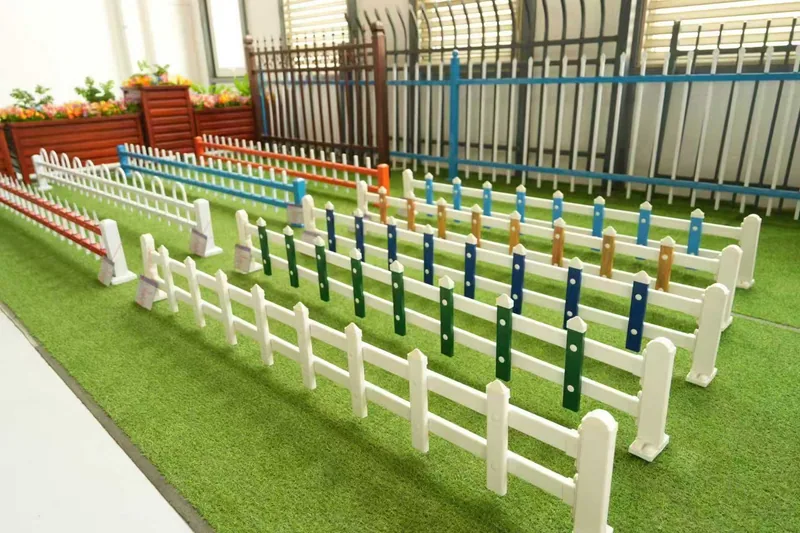
A balcony guard, a stair handrail and a garden boundary fence can look similar in a photograph but serve different functions. Project buyers should identify the intended use and the required approvals before selecting a style or requesting a price.
Keep appearance separate from safety and structural approval. Heights, gaps, loads, glass and fixings must be specified for the actual project—not copied from a generic internet diagram.
1. Define the application and design responsibility
State whether the order is for a decorative fence, balcony guard, stair system, pool barrier or another use. Give the project location and identify who will determine the applicable requirements and approve the installation.
This article is a purchasing checklist, not a structural design or a global building-code guide. Ask the responsible local designer to confirm dimensions, loading, infill, access and safety requirements before fabrication. A catalogue photograph is not compliance evidence.
2. Send a panel and post schedule
- Marked plan or elevation with the length and position of each run.
- Panel identifiers, quantities, heights and the measurement reference.
- Post positions, corners, level changes and stair inclinations.
- Gates, hinges, latches and any required access or locking arrangement.
- Proposed fixing surface and the project-approved mounting detail.
Distinguish overall run length from the clear space between posts. Have the installer check site measurements and any constraints before approving the final production drawing.
3. Coordinate infill and fixings
Choose vertical pickets, solid or decorative panels, glazing or another infill only after the project requirements are understood. Have the designer review any safety implications of the proposed arrangement rather than treating a style as suitable for every setting.
Document the complete fixing interface, including substrate, base or side mounting and any project-specific waterproofing detail. The designer or responsible installer must verify the suitability of the fixings and supporting construction; product dimensions alone cannot establish that.
4. Approve the finish for the environment
Specify colour, gloss or texture and the surfaces that will be visible after installation. Identify coastal, poolside or other demanding exposure and agree the finish specification, compatible components and maintenance instructions.
Avoid absolute claims such as "maintenance-free" or a universal lifespan. Request the actual care guidance and written warranty conditions for the supplied finish and installation environment.
5. Confirm the delivered scope
Ask whether the price includes posts, panels, rails, caps, brackets, gates, hardware and the agreed fixings. Separate profiles or components for local fabrication from preassembled panels. Confirm labels, protective packing and delivery access for long or bulky items.
Provide Yanerfei with the approved layout or design brief, product quantities, finish, destination and required supply format. Any load statement, test report or compliance claim must be reviewed against the actual assembly before the order is released.
Discuss your requirements with Yanerfei
Share your product, drawings or dimensions, quantity, country and delivery destination. The quotation will define the agreed specifications, inclusions and terms.
Request a QuoteGeneral purchasing guidance, not engineering or compliance approval. Specifications, availability and commercial terms are confirmed for each project. Product images are illustrative, not a claim of a completed customer project.